Exploring the complexities of Healthcare Access for Low-Income Families, this introduction delves into the barriers faced by vulnerable populations and the importance of affordable healthcare solutions.
Highlighting the impact of socioeconomic factors on access to quality care, this discussion aims to shed light on the disparities in healthcare provision for low-income families.
Healthcare Access for Low-Income Families
Low-income families face numerous challenges when it comes to accessing healthcare. One of the primary obstacles is the financial burden associated with medical care. Many low-income families simply cannot afford health insurance or out-of-pocket expenses for doctor visits, medications, or treatments. This financial strain often forces them to delay or forgo necessary medical care, leading to worsened health outcomes.Socioeconomic factors play a crucial role in determining healthcare access for low-income families.
Limited access to quality healthcare facilities, transportation issues, and lack of education about available resources further exacerbate the disparities in healthcare access. Additionally, these families may also face discrimination or stigma when seeking medical help, which can deter them from seeking care altogether.Affordable healthcare options are essential for low-income families to ensure they receive timely and adequate medical treatment. Programs like Medicaid and the Children’s Health Insurance Program (CHIP) play a vital role in providing coverage for low-income families.
Access to affordable primary care services, preventive care, and prescription medications can help mitigate the health disparities faced by this vulnerable population.
The Impact of Healthcare Disparities
Despite efforts to improve healthcare access for low-income families, disparities persist. Limited access to preventive care often results in more advanced disease diagnoses, leading to higher healthcare costs in the long run. Addressing these disparities requires a comprehensive approach that focuses on improving access to affordable healthcare, promoting health education, and reducing barriers to care.
- Financial Barriers: High healthcare costs can prevent low-income families from seeking necessary medical care, leading to poorer health outcomes.
- Transportation Challenges: Limited access to reliable transportation can hinder families from reaching healthcare providers, especially in rural areas.
- Lack of Health Literacy: Limited understanding of available healthcare resources can prevent families from seeking appropriate care when needed.
- Health Disparities: Factors such as race, ethnicity, and language barriers can contribute to disparities in healthcare access and quality of care.
Healthcare Costs
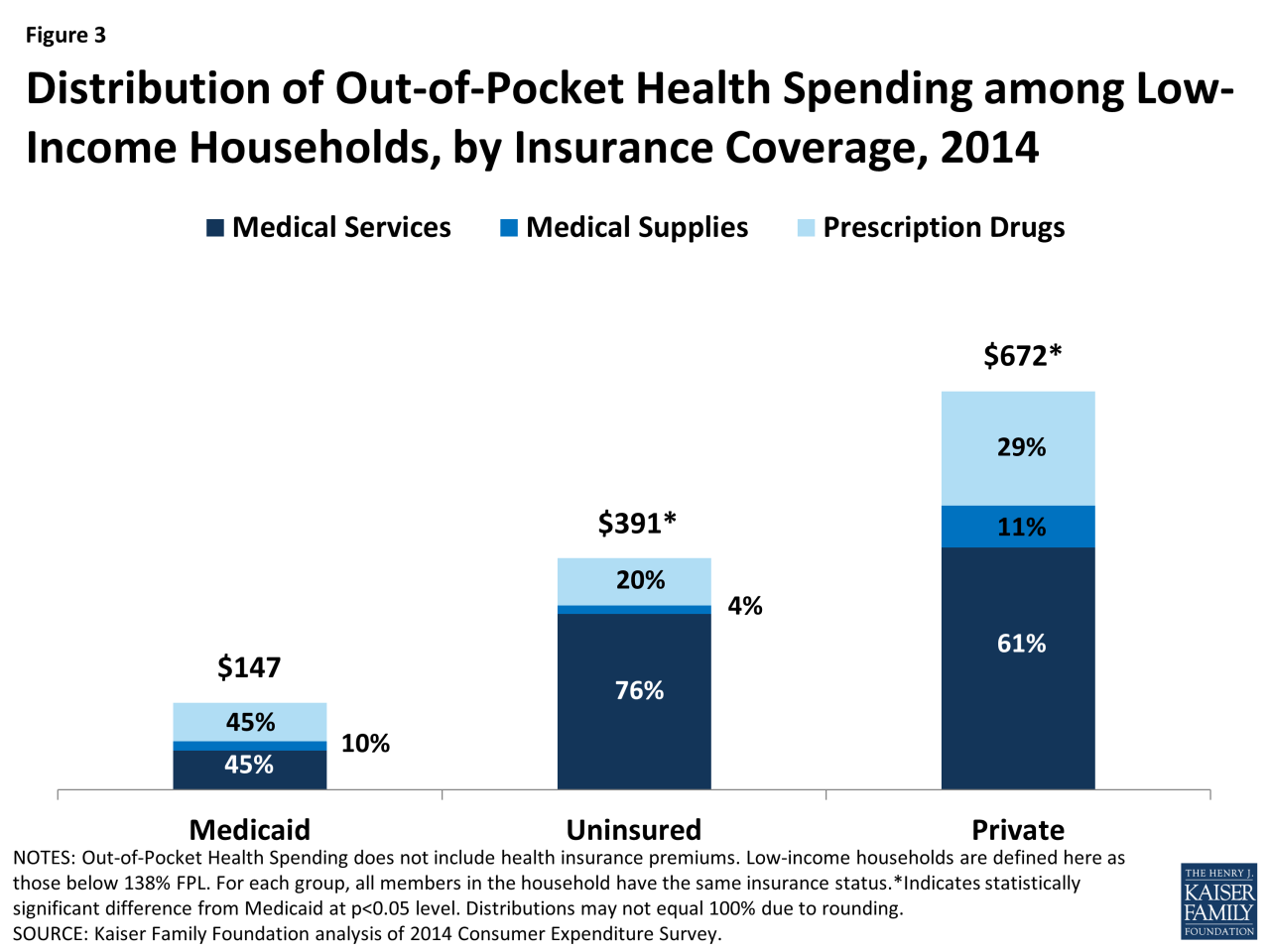
Healthcare costs for low-income families can be a significant financial burden, impacting their overall well-being and stability. It is crucial to break down these costs, analyze their impact, and explore strategies to reduce them.
Main Components of Healthcare Costs
- Medical Services: Costs associated with doctor visits, hospital stays, surgeries, and medical procedures.
- Prescription Medications: Expenses for necessary medications prescribed by healthcare providers.
- Medical Supplies: Costs for durable medical equipment, supplies, and devices needed for treatment.
- Health Insurance Premiums: Monthly payments for health insurance coverage, if available.
- Out-of-Pocket Expenses: Additional costs not covered by insurance, such as co-pays and deductibles.
Impact of High Healthcare Costs
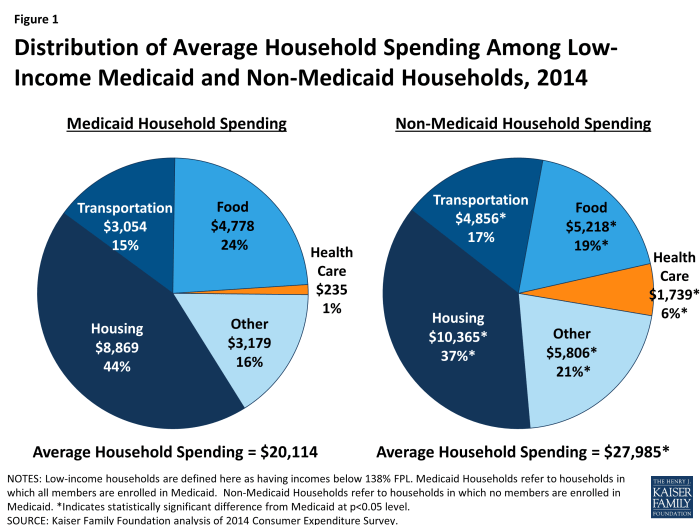
High healthcare costs can lead to financial strain on low-income households, forcing them to make difficult decisions between paying for medical care and other basic needs, such as food, housing, and utilities. This can result in increased debt, limited access to essential healthcare services, and overall financial instability.
Strategies to Reduce Healthcare Costs
- Utilize Community Health Centers: Seek out low-cost or free clinics in the community for primary care services.
- Explore Prescription Assistance Programs: Look into programs offered by pharmaceutical companies or non-profit organizations to reduce the cost of medications.
- Compare Health Insurance Options: Research and enroll in affordable health insurance plans through federal or state marketplaces.
- Preventive Care: Prioritize preventive services and screenings to avoid costly treatments for preventable conditions.
- Negotiate Medical Bills: Discuss payment plans or negotiate discounts with healthcare providers for medical services.
Healthcare Providers
Access to healthcare providers is crucial for low-income families living in underserved areas. These families often face barriers to receiving quality medical care due to financial constraints and limited resources.
Role of Community Health Centers
Community health centers play a vital role in providing accessible care to low-income families in underserved areas. These centers are often located in areas where traditional healthcare providers may be scarce, offering a wide range of medical services at affordable costs. Community health centers are known for their focus on preventive care, chronic disease management, and overall wellness promotion.
Quality of Care from Different Providers
- Private Practices: Low-income families may face challenges accessing care from private practices due to high costs and lack of insurance coverage. However, those who can afford it may receive personalized and comprehensive care.
- Hospitals: Emergency rooms in hospitals serve as a safety net for low-income families in need of immediate medical attention. However, the quality of ongoing care may vary, and costs can be a barrier for follow-up treatment.
- Community Health Centers: Community health centers offer a holistic approach to care, focusing on the specific needs of low-income families. These centers often provide integrated services, including medical, dental, behavioral health, and social support, leading to better health outcomes for this demographic.
Health Insurance
Health insurance coverage is crucial for low-income families as it provides financial protection against high healthcare costs and ensures access to necessary medical services. Without health insurance, these families may delay or forgo essential medical treatments due to cost concerns, leading to worsened health outcomes and increased financial strain.
Options for Affordable Health Insurance
- Medicaid: A government program that provides free or low-cost health coverage to eligible low-income individuals and families.
- Children’s Health Insurance Program (CHIP): Offers low-cost health coverage for children in families that do not qualify for Medicaid but cannot afford private insurance.
- Health Insurance Marketplace: Provides options for purchasing private health insurance plans with subsidies based on income level.
- Employer-sponsored Insurance: Some low-income families may have access to health insurance through their employer, although the cost-sharing burden can still be challenging.
Impact of Lack of Health Insurance
Lack of health insurance can significantly impact healthcare access and outcomes for low-income families. Without coverage, these families may struggle to afford preventive care, prescription medications, and necessary medical treatments. This can lead to delayed diagnosis of health conditions, increased hospitalizations, and overall poorer health outcomes. Additionally, the financial burden of paying for healthcare out-of-pocket can push low-income families further into poverty, creating a cycle of health and financial instability.
Health Policies
Health policies play a crucial role in determining the accessibility and affordability of healthcare services for low-income families. By evaluating existing policies and proposing potential changes, we can work towards improving the overall health outcomes for this vulnerable population.
Evaluating Existing Policies
- Many existing healthcare policies focus on expanding Medicaid coverage to low-income families, providing essential health services at little to no cost.
- However, there are limitations in terms of eligibility criteria and coverage, leaving some individuals without access to necessary medical care.
- Policy evaluation should consider the effectiveness of current programs in reaching those in need and identify areas for improvement.
Potential Policy Changes
- Increasing funding for community health centers can improve access to primary care services for low-income families, reducing the burden on emergency rooms.
- Implementing price controls on prescription medications and medical procedures can help lower healthcare costs for those with limited financial resources.
- Expanding telehealth services can enhance access to healthcare in remote or underserved areas, benefiting low-income populations.
Role of Government Programs
- Government programs like Medicaid, CHIP, and the Affordable Care Act play a vital role in providing health insurance coverage to low-income families.
- These programs help bridge the gap in healthcare access and affordability, ensuring that essential services are available to those who need them most.
- Continued support and expansion of these programs are essential to improving health outcomes and reducing disparities among low-income populations.
Health Records
Maintaining accurate health records is crucial for low-income families as it ensures continuity of care, helps healthcare providers make informed decisions, and can prevent medical errors. Access to complete health records can also lead to better health outcomes and quality of care for individuals and families.
Importance of Electronic Health Records
Electronic health records (EHRs) can significantly improve healthcare coordination and quality for low-income families. EHRs allow for easy sharing of information between healthcare providers, reducing duplication of tests and procedures, and enabling more efficient and effective care. They also provide patients with better access to their own health information, empowering them to take control of their health.
Challenges in Accessing and Managing Health Records
Low-income families face various challenges in accessing and managing their health records. Limited access to technology and the internet can make it difficult for them to use electronic health record systems. Additionally, concerns about data privacy and security may deter some individuals from sharing their health information electronically. Lack of health literacy and awareness about the importance of maintaining health records can also hinder low-income families from actively managing their own health information.
Health Screening
Regular health screenings play a crucial role in preventing and detecting diseases early on, especially for low-income families who may face additional challenges in accessing healthcare services. These screenings help in identifying potential health issues before they escalate, leading to better health outcomes and reduced healthcare costs in the long run.
Barriers to Health Screenings for Low-Income Individuals
Low-income individuals often face various barriers that prevent them from undergoing recommended health screenings, including:
- Lack of awareness about the importance of preventive care and screenings.
- Financial constraints that make healthcare services unaffordable.
- Lack of access to transportation to reach healthcare facilities.
- Language barriers and limited health literacy.
- Fear or stigma associated with medical procedures.
Initiatives and Programs Promoting Health Screening
Several initiatives and programs have been developed to promote health screening among underserved populations, including low-income families. Some examples include:
- Community health fairs offering free or low-cost screenings for various health conditions.
- Mobilized healthcare services that bring screenings to remote or underserved areas.
- Culturally competent outreach programs that address language and cultural barriers.
- Collaborations with local community organizations to raise awareness about the importance of health screenings.
In conclusion, addressing the multifaceted issues surrounding healthcare access for low-income families is crucial for promoting equality in health outcomes and ensuring a healthier future for all.
FAQ Corner
What are the common barriers low-income families face in accessing healthcare?
Low-income families often struggle with lack of insurance coverage, limited provider options, and high out-of-pocket costs.
How can low-income families reduce their healthcare costs?
Strategies such as utilizing community health centers, exploring government assistance programs, and seeking preventative care can help lower healthcare expenses.
Why is health insurance coverage crucial for low-income families?
Health insurance provides financial protection against high medical costs and ensures access to essential healthcare services for low-income families.


