Embark on a journey exploring the significance of Health Screening for Early Disease Detection, shedding light on its importance and impact on overall well-being.
Discover the key aspects of various health screening tests and their role in detecting diseases early, ultimately leading to better treatment outcomes.
Health Screening for Early Disease Detection
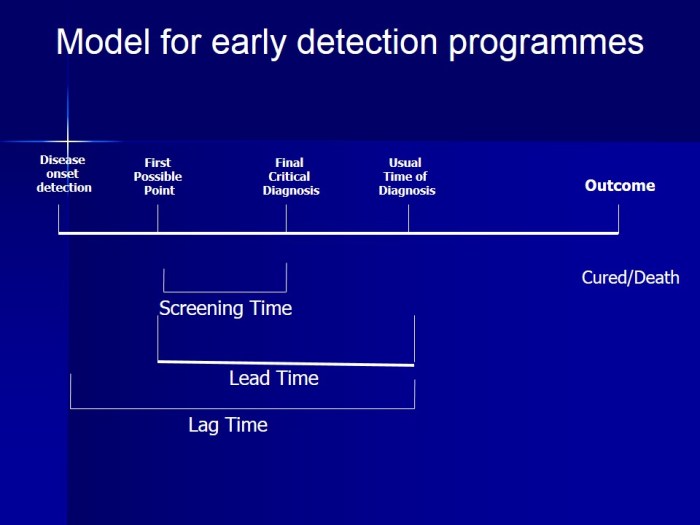
Regular health screening plays a crucial role in detecting diseases early, allowing for timely intervention and treatment. This proactive approach to healthcare can lead to better outcomes and improved overall health.
Common Health Screening Tests
- Blood pressure measurement: High blood pressure, if left untreated, can lead to serious health issues such as heart disease and stroke.
- Cholesterol level testing: High cholesterol levels increase the risk of heart disease and stroke.
- Colonoscopy: Screening for colon cancer can detect precancerous polyps or early-stage cancer for timely treatment.
- Mammogram: Breast cancer screening can detect abnormalities in breast tissue before symptoms appear.
- Blood glucose testing: Screening for diabetes can help in managing blood sugar levels and preventing complications.
Benefits of Regular Health Screening
Regular health screening allows healthcare providers to identify potential health issues early on, enabling prompt intervention and treatment. By detecting diseases in their initial stages, individuals can take necessary steps to prevent disease progression and improve their overall health outcomes.
Improved Treatment Outcomes
Early disease detection through health screening increases the likelihood of successful treatment outcomes. Timely intervention can prevent the advancement of diseases, reduce complications, and improve the effectiveness of treatment strategies. By addressing health concerns proactively, individuals can maintain better health and well-being in the long run.
Healthcare Access for Health Screening
Access to healthcare facilities plays a crucial role in ensuring individuals can undergo regular health screenings for early disease detection. Without easy access to healthcare services, many individuals may face barriers in getting the preventive care they need to maintain their health and well-being.
The Impact of Limited Healthcare Access on Health Screenings
Limited healthcare access can significantly impact an individual’s ability to undergo regular health screenings. Factors such as geographic location, lack of transportation, financial constraints, and language barriers can all contribute to limited access to healthcare services. As a result, individuals from underserved populations may be less likely to receive timely screenings, leading to delayed diagnosis and treatment of potentially serious health conditions.
Strategies to Improve Access to Health Screening Services
1. Mobile Health Clinics
Bringing health screening services directly to underserved communities through mobile clinics can help overcome barriers related to transportation and geographic location.
2. Community Outreach Programs
Engaging in community outreach programs to raise awareness about the importance of health screenings and providing information on where individuals can access these services.
3. Telemedicine
Utilizing telemedicine platforms to offer virtual health screenings can increase access for individuals who may have difficulty physically visiting healthcare facilities.
4. Affordable Care Options
Implementing affordable healthcare options or sliding scale fees for health screenings can help reduce financial barriers for individuals who may not have insurance coverage.
The Role of Telemedicine in Increasing Access to Health Screening Options
Telemedicine plays a crucial role in increasing access to health screening options by providing a convenient and cost-effective way for individuals to receive preventive care. Through telemedicine platforms, individuals can connect with healthcare providers remotely, receive screenings, and access necessary follow-up care without the need to visit a physical healthcare facility. This technology can be particularly beneficial for individuals in rural or underserved areas who may face challenges in accessing traditional healthcare services.
Healthcare Costs and Health Screening
Regular health screenings are crucial for detecting diseases early on and improving overall health outcomes. However, the costs associated with these screenings can vary depending on the type of test and healthcare provider. This variability in costs can sometimes act as a barrier for individuals seeking regular health screenings.
Costs of Different Health Screening Tests
- Basic blood tests: These can range from $50 to $200, depending on the specific tests conducted.
- Mammograms: The cost of a mammogram can be between $100 to $250, excluding additional fees for radiologist interpretation.
- Colonoscopies: The average cost of a colonoscopy can range from $800 to $3,500, depending on the facility and anesthesia used.
Healthcare Costs as a Barrier to Regular Screening
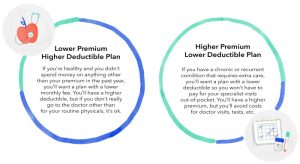
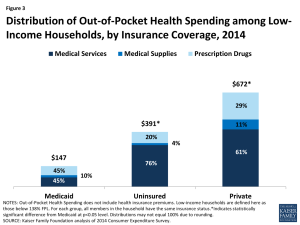
- High out-of-pocket expenses: Some individuals may not be able to afford the costs of health screenings, especially if they are uninsured or underinsured.
- Lack of coverage: Certain health insurance plans may not fully cover the costs of preventive screenings, leading to financial burdens for patients.
Cost-Effectiveness of Preventive Health Screening
Regular health screenings are generally more cost-effective in the long run compared to treating advanced diseases. Early detection through screenings can help prevent costly treatments and improve health outcomes.
Financial Assistance Programs for Health Screening
- Medicaid: This program provides coverage for preventive services, including health screenings, for eligible individuals with low income.
- Community health centers: These centers offer sliding fee scales based on income, making health screenings more affordable for underserved populations.
- Non-profit organizations: Some non-profit organizations provide financial assistance or free screenings for individuals who cannot afford them.
Healthcare Providers and Health Screening
Healthcare providers play a crucial role in conducting and interpreting health screenings, ensuring early detection of diseases and promoting overall well-being.
Primary Care Physicians
- Primary care physicians are often the first point of contact for individuals seeking healthcare services.
- They recommend and coordinate health screening tests based on individual risk factors, age, and medical history.
- Primary care physicians play a vital role in educating patients about the importance of regular health screenings for early disease detection.
Specialized Healthcare Providers
- Specialized healthcare providers, such as radiologists, pathologists, and genetic counselors, are essential in interpreting health screening results accurately.
- They have the expertise to analyze complex screening tests and provide detailed insights into potential health risks.
- Collaboration between primary care physicians and specialized healthcare providers ensures comprehensive care and appropriate follow-up based on screening outcomes.
Health Insurance Coverage for Health Screening
Health insurance coverage plays a crucial role in ensuring individuals have access to preventive health screenings, which are essential for early disease detection and overall well-being.
Types of Health Screenings Covered by Insurance Plans
- Regular blood pressure screenings
- Cholesterol level tests
- Mammograms for breast cancer screening
- Colonoscopies for colorectal cancer screening
- Pap smears for cervical cancer screening
Impact of Insurance Policies on Access to Health Screening Tests
Insurance policies greatly influence individuals’ ability to undergo recommended health screening tests. Those with comprehensive coverage are more likely to seek preventive care and detect potential health issues early.
Examples of Health Insurance Plans Prioritizing Preventive Care
- Blue Cross Blue Shield: Offers coverage for a wide range of preventive screenings, encouraging members to stay proactive about their health.
- Aetna: Provides access to various preventive services, including vaccinations, screenings, and wellness programs, to promote overall health and well-being.
- Cigna: Emphasizes preventive care by covering routine screenings and check-ups to help individuals maintain good health and detect any issues early on.
Health Policies and Health Screening
Government policies play a crucial role in promoting regular health screenings to detect diseases early and improve overall public health. These policies can impact the availability, accessibility, and affordability of health screening services for individuals in a community. Public health initiatives are also instrumental in raising awareness about the importance of health screenings and encouraging proactive healthcare practices. Let’s delve deeper into the impact of health policies on health screening services.
Government Policies and Health Screening
- Government policies often include mandates or recommendations for specific health screenings based on age, gender, and risk factors. These policies aim to ensure that individuals receive timely screenings to detect diseases early.
- Policy changes can influence the cost of health screenings by providing subsidies or coverage through public health programs. This can make screenings more affordable and accessible to a wider population.
- Public health initiatives, supported by government policies, raise awareness about the benefits of health screenings and encourage individuals to prioritize preventive healthcare measures.
- Successful health policy interventions, such as community outreach programs, mobile screening units, and incentive programs, have been effective in improving health screening rates in underserved communities.
Health Records and Health Screening
Maintaining accurate health records is crucial for tracking an individual’s health screening history. It allows healthcare providers to monitor trends, identify risk factors, and recommend appropriate preventive measures based on past screenings.
Electronic Health Records and Sharing Results
Electronic health records (EHRs) streamline the sharing of health screening results among healthcare providers. With EHRs, medical professionals can easily access and review a patient’s screening history, ensuring continuity of care and enabling informed decision-making.
Privacy Concerns and Health Screening Information
Storing health screening information in medical records raises privacy concerns regarding data security and unauthorized access. Safeguards must be in place to protect sensitive health information and comply with regulations such as HIPAA to maintain patient confidentiality.
Benefits of Integrating Health Screening Data
Integrating health screening data into a comprehensive electronic health record system offers numerous benefits. It enhances coordination of care, reduces duplication of tests, improves accuracy of diagnoses, and empowers patients to actively participate in their healthcare management.
In conclusion, Health Screening for Early Disease Detection emerges as a crucial preventive measure that can significantly improve health outcomes and quality of life.
FAQ Resource
How often should I undergo health screening?
It is recommended to consult with your healthcare provider to determine the frequency of health screenings based on your age, medical history, and risk factors.
Are health screening tests painful?
Most health screening tests are minimally invasive or non-invasive and do not cause pain. Your healthcare provider can guide you on what to expect during each test.
Can health screening detect all diseases?
While health screening is essential for early detection, not all diseases can be detected through routine screenings. It is crucial to combine screenings with regular medical check-ups.