As Health Insurance with Low Premiums takes center stage, this opening passage beckons readers with a comprehensive look at the importance of accessible and cost-effective healthcare. It delves into the impact of healthcare access, managing costs, provider choices, policy features, health records, and preventive screenings, all aimed at enhancing the understanding of low premium health insurance.
Exploring how these aspects intertwine to create a robust healthcare system, this guide offers insights into how individuals can secure quality care without breaking the bank. Dive into the world of Health Insurance with Low Premiums and discover how you can safeguard your health and finances simultaneously.
Healthcare Access

Access to healthcare services plays a crucial role in ensuring individuals can maintain their health and well-being. This is especially important when considering health insurance plans with low premiums, as easy access to healthcare services can have a significant impact on overall health outcomes.
Barriers to Healthcare Access
- Lack of affordable healthcare options: Many individuals may struggle to afford traditional health insurance plans with high premiums, leading to limited access to necessary medical care.
- Geographic barriers: Individuals living in remote or underserved areas may face challenges in accessing healthcare facilities due to distance or lack of transportation options.
- Lack of healthcare providers: Some regions may have a shortage of healthcare professionals, making it difficult for individuals to receive timely medical attention.
How Low Premium Health Insurance Helps
- Cost-effective coverage: Low premium health insurance plans offer affordable options for individuals who may not be able to afford traditional plans, ensuring they have access to necessary healthcare services.
- Network of providers: Many low premium health insurance plans have a wide network of healthcare providers, making it easier for individuals to find a provider and schedule appointments quickly.
- Preventive care services: Some low premium plans include coverage for preventive care services, encouraging individuals to seek regular check-ups and screenings to maintain their health.
Healthcare Costs
Managing healthcare costs is crucial for individuals and families looking to maintain their financial well-being while also prioritizing their health. Low premium health insurance plays a significant role in helping to control these costs effectively.
Relationship between Low Premiums and Out-of-Pocket Expenses
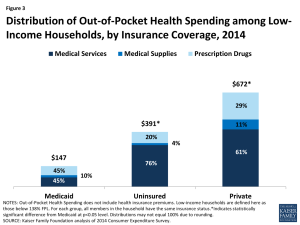
Low premium health insurance plans typically come with higher deductibles and out-of-pocket expenses. While the monthly premium may be affordable, individuals may need to pay more when they use healthcare services. It is essential to understand this relationship and plan accordingly.
Strategies for Reducing Healthcare Costs
- Take advantage of preventive care services covered by your insurance to avoid costly medical treatments down the line.
- Compare prices for medical procedures and services to find the most cost-effective options.
- Utilize telemedicine services when appropriate to save on healthcare costs and convenience.
- Consider a health savings account (HSA) or flexible spending account (FSA) to save money on eligible medical expenses.
- Review your insurance plan regularly to ensure you are not paying for coverage you do not need.
Healthcare Providers
Healthcare providers play a crucial role in the context of health insurance with low premiums. They are the professionals who deliver medical services to individuals covered by these insurance plans. The choice of healthcare providers can significantly impact the quality of care received by policyholders.
Network Coverage and Provider Choices
- Network coverage is a key consideration when selecting a health insurance plan with low premiums. Insurance companies often negotiate discounted rates with specific healthcare providers in exchange for including them in their network. This can result in lower out-of-pocket costs for policyholders.
- Having a wide range of provider choices within the network allows individuals to select healthcare professionals who best meet their needs. This can include primary care physicians, specialists, hospitals, and other medical facilities.
- Some low premium insurance plans may have restrictions on out-of-network coverage, meaning that policyholders may face higher costs or limited coverage if they choose to see providers outside of the designated network.
Diverse Network of Healthcare Providers
- Having a diverse network of healthcare providers within a low premium insurance plan offers several benefits. It ensures that individuals have access to a wide range of medical services and specialties, promoting comprehensive healthcare coverage.
- Policyholders can receive care from different types of providers, such as primary care physicians, specialists, mental health professionals, and alternative medicine practitioners. This diversity can cater to various healthcare needs and preferences.
- A diverse network of healthcare providers can also enhance the quality of care by allowing for collaboration among different professionals and facilitating holistic treatment approaches for individuals with complex medical conditions.
Health Insurance Policies
When looking for health insurance with low premiums, it is important to understand the key features of different policies to make an informed decision. Factors such as deductibles, copayments, and coverage limits play a crucial role in determining the overall affordability of a health insurance plan.
Impact of Deductibles, Copayments, and Coverage Limits
- Deductibles: Deductibles are the amount of money you must pay out of pocket before your insurance kicks in. Plans with lower deductibles typically have higher premiums, while plans with higher deductibles often come with lower premiums. It’s important to assess your healthcare needs and financial situation to determine the right balance.
- Copayments: Copayments are fixed amounts you pay for covered services after you’ve reached your deductible. Plans with lower copayments may have higher premiums, while plans with higher copayments tend to have lower premiums. Consider how often you anticipate needing medical care to choose the most cost-effective option.
- Coverage Limits: Some health insurance policies have coverage limits on certain services or treatments. It’s essential to review these limits to ensure they meet your healthcare needs. While policies with lower premiums may have coverage limits, they can still provide essential coverage for common medical expenses.
Examples of Policy Options with Low Premiums
- High-Deductible Health Plans (HDHPs): HDHPs typically have lower premiums but higher deductibles. These plans are suitable for individuals who are generally healthy and don’t anticipate frequent medical expenses.
- Basic Coverage Plans: Basic coverage plans offer essential benefits at a lower cost. While they may have higher deductibles and copayments, they provide coverage for basic healthcare needs without additional frills.
- Catastrophic Health Insurance: Catastrophic plans are designed to protect you in case of a serious medical emergency. They have low premiums and high deductibles, making them a cost-effective option for young, healthy individuals.
Health Records
Maintaining accurate health records is crucial when it comes to low premium health insurance. These records provide vital information about your medical history, treatments, and ongoing health conditions, which can help healthcare providers deliver more effective care.
Significance of Electronic Health Records
Electronic health records (EHRs) play a key role in streamlining healthcare processes and improving care quality. By digitizing health information, EHRs enable quick access to patient data, reduce medical errors, and enhance communication between healthcare providers. This can ultimately lead to better health outcomes for individuals with low premium insurance plans.
Enhancing Low Premium Insurance Plans with Comprehensive Health Records
Access to comprehensive health records can significantly enhance the effectiveness of low premium insurance plans. With detailed information on a patient’s medical history, insurers can better assess risks, tailor coverage, and identify preventive measures. This personalized approach can help individuals maximize the benefits of their insurance plans and maintain their health more effectively.
Health Screening
Preventive health screenings play a crucial role in the context of health insurance with low premiums. These screenings are essential for early detection and prevention of diseases, ultimately leading to better health outcomes and reduced healthcare costs.
Importance of Regular Screenings
Regular health screenings can help identify potential health issues before they progress to more serious conditions. By detecting diseases in their early stages, individuals can receive timely treatment and interventions, improving their chances of recovery and overall well-being.
- Annual physical exams: Regular check-ups can help monitor overall health status and detect any underlying issues.
- Blood pressure screening: High blood pressure is a common risk factor for various health conditions, including heart disease and stroke.
- Cholesterol screening: Monitoring cholesterol levels can help reduce the risk of heart disease and other cardiovascular problems.
- Blood sugar testing: Screening for diabetes is crucial in managing blood sugar levels and preventing complications.
- Colon cancer screening: Early detection of colon cancer through screenings can significantly improve treatment outcomes.
In conclusion, Health Insurance with Low Premiums is not just about saving money; it’s about ensuring that everyone has access to essential healthcare services without compromising on quality. By understanding the intricacies of low premium insurance plans, individuals can make informed choices that prioritize their well-being. Embrace the power of affordable coverage and take charge of your health today.
FAQ Overview
How can low premium health insurance help overcome barriers to healthcare access?
Low premium health insurance offers affordable coverage, making essential healthcare services more accessible to a wider population.
What strategies can individuals use to reduce healthcare costs with low premium insurance?
Individuals can opt for generic medications, utilize in-network providers, and explore telemedicine options to lower healthcare expenses.
Why is maintaining accurate health records important with low premium health insurance?
Accurate health records ensure that individuals receive appropriate care and necessary treatments, enhancing the overall effectiveness of low premium insurance plans.