
Exploring the realm of online health records, this guide unveils the seamless process of accessing vital information digitally. From setting up accounts to understanding security measures, embark on a journey towards efficient healthcare management.
Discover the transformative impact of online access on patient care and provider efficiency, revolutionizing the healthcare landscape.
How to Access Your Health Records Online
Accessing your health records online is crucial for staying informed about your medical history, test results, and treatment plans. It empowers you to take control of your health and communicate effectively with healthcare providers. Here are steps to help you set up an online account with a healthcare provider:
Setting Up an Online Account
- Visit the healthcare provider’s website and look for the patient portal section.
- Click on the registration or sign-up button to create an account.
- Provide personal information, such as your name, date of birth, and contact details.
- Choose a username and password to secure your account.
- Verify your identity through a secure authentication process.
Security Measures for Protecting Personal Health Information
- Healthcare providers use encryption to safeguard your data during transmission.
- Multi-factor authentication adds an extra layer of security to prevent unauthorized access.
- Regular monitoring and audits ensure compliance with privacy regulations, like HIPAA.
- Access controls limit who can view and modify health records, protecting your privacy.
Benefits of Online Access to Health Records
- Conveniently view test results, medication lists, and appointment schedules from anywhere.
- Track changes in your health over time and share information easily with specialists.
- Reduce paperwork and administrative tasks during healthcare visits.
- Enhance communication with healthcare providers for better coordination of care.
Healthcare Access
Accessing healthcare services is crucial for maintaining one’s well-being and addressing medical concerns. There are various ways individuals can access healthcare services, ranging from traditional in-person appointments to modern online platforms.
Traditional vs. Online Healthcare Access
Traditional healthcare access typically involves visiting a doctor’s office or hospital for consultations, examinations, and treatments. In contrast, online healthcare services allow individuals to connect with healthcare providers virtually through telemedicine platforms. This shift towards online services has made healthcare more convenient and accessible, especially for those with busy schedules or limited mobility.
Telemedicine and Impact on Healthcare Access
Telemedicine refers to the remote delivery of healthcare services using telecommunications technology. This can include virtual appointments, remote monitoring, and online consultations. Telemedicine has revolutionized healthcare access by eliminating barriers such as distance, transportation issues, and long wait times. It has also enabled individuals to seek medical advice from the comfort of their homes, improving access to care for many.
Role of Technology in Improving Healthcare Access
Technology plays a vital role in improving healthcare access, particularly for remote or underserved populations. Mobile health apps, wearable devices, and telehealth platforms have made it easier for individuals in rural areas or communities with limited healthcare resources to connect with providers and access essential medical services. By leveraging technology, healthcare providers can reach a broader patient population and deliver quality care regardless of geographical constraints.
Healthcare Costs
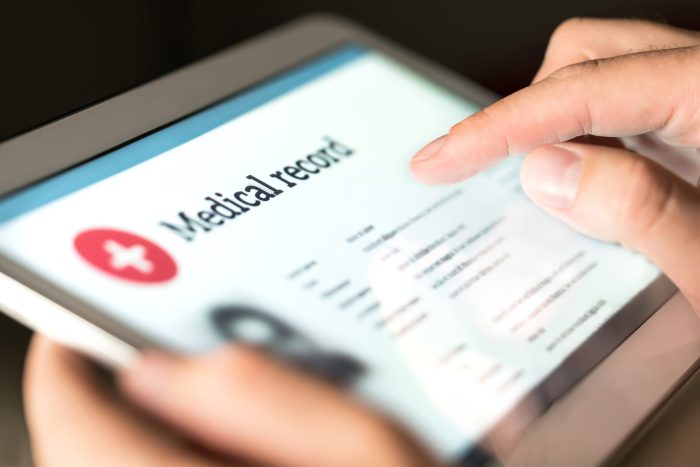
Accessing your health records online can be a valuable tool in managing healthcare costs. By having easy access to your medical history, test results, and treatment plans, you can make informed decisions about your healthcare needs and avoid unnecessary procedures or duplicate tests.
Impact of Preventative Care
Preventative care plays a crucial role in reducing healthcare costs in the long run. By staying up-to-date on vaccinations, screenings, and regular check-ups, you can catch potential health issues early on, preventing the need for expensive treatments or hospitalizations down the line.
Navigating Insurance Coverage and Healthcare Billing
Understanding your insurance coverage and healthcare billing is essential in managing healthcare costs effectively. Be sure to review your insurance policy to know what services are covered and what your out-of-pocket expenses may be. Additionally, carefully scrutinize medical bills for errors or discrepancies, and don’t hesitate to ask for clarification if needed.
Strategies for Reducing Out-of-Pocket Expenses
There are several strategies you can employ to reduce out-of-pocket healthcare expenses. Consider utilizing generic medications, exploring telehealth options for routine consultations, and seeking out financial assistance programs or payment plans offered by healthcare providers. It’s also wise to compare prices for medical services and procedures to ensure you’re getting the best value for your healthcare dollars.
Healthcare Providers
Healthcare providers play a crucial role in utilizing online health records to enhance patient care and streamline communication.
Utilization of Online Health Records
Healthcare providers leverage online health records to access patient information efficiently, leading to better coordination of care. By having instant access to medical history, test results, and treatment plans, providers can make informed decisions promptly.
Challenges and Benefits of Transitioning to Electronic Health Records
- Challenges: Transitioning to electronic health records can be challenging due to initial setup costs, staff training, and concerns about data security and privacy.
- Benefits: However, the benefits are numerous, including improved accuracy of medical records, easier sharing of information among providers, and increased patient engagement through access to their own health data.
Streamlined Communication between Healthcare Providers
Online health records have revolutionized communication among healthcare providers by enabling secure sharing of patient information in real-time. This has led to faster decision-making, reduced errors, and ultimately improved patient outcomes.
Importance of Secure Online Health Record Access
Choosing healthcare providers who prioritize secure online health record access is crucial for safeguarding patient data confidentiality. It ensures that sensitive information is protected from unauthorized access, maintaining trust between patients and their healthcare providers.
Health Insurance
Health insurance plays a crucial role in accessing and managing health records online, providing individuals with a secure way to track their medical history and treatments.
Role of Health Insurance in Online Health Record Access
Health insurance companies utilize online health records to assess claims and coverage more efficiently. By accessing these records electronically, insurers can verify the necessity and accuracy of medical procedures, ensuring that the treatments are covered under the policy.
Understanding Health Insurance Policies and Coverage
- Review your health insurance policy carefully to understand what health records are accessible online.
- Ensure that you are aware of any limitations or exclusions related to online health record access in your insurance coverage.
- Consult with your insurance provider to clarify any doubts or questions you may have about accessing your health records online.
Health Insurance Companies and Online Health Record Access
Many health insurance companies actively promote online health record access to their members as a way to encourage proactive health management. They may offer incentives or rewards for utilizing online platforms to track and monitor their health information.
Health Policies
Healthcare policies play a crucial role in determining the accessibility and security of online health records. These regulations govern how health records are stored, shared, and accessed, impacting patient privacy and data security.
Impact of Healthcare Policies
- Healthcare policies set the standards for the storage and sharing of electronic health records to ensure patient confidentiality and data protection.
- Regulations dictate the requirements for healthcare providers and institutions to implement secure systems for storing and transmitting health records online.
- Compliance with healthcare policies is essential to safeguard patient information and prevent unauthorized access or breaches.
Government Initiatives
- Government initiatives, such as the Health Information Technology for Economic and Clinical Health (HITECH) Act, promote the adoption of electronic health records to improve healthcare quality and efficiency.
- Programs like the Medicare and Medicaid EHR Incentive Programs offer financial incentives to healthcare providers who demonstrate meaningful use of electronic health records.
- Regulatory bodies like the Office for Civil Rights (OCR) oversee compliance with health information privacy and security regulations to protect patient data.
Role of Policymakers
- Policymakers play a crucial role in ensuring patient privacy and data security in online health records by enacting and enforcing regulations that govern the use of electronic health information.
- Policy decisions impact the design and implementation of electronic health record systems to prioritize patient confidentiality and secure data exchange.
- Ongoing regulatory updates and enforcement efforts are essential to address emerging threats and vulnerabilities in online health record systems.
Health Screening
Regular health screenings play a crucial role in maintaining online health records by providing updated information on an individual’s health status. These screenings help in early detection of health conditions, monitoring overall health, and guiding healthcare providers in delivering appropriate care.
Types of Health Screenings
- Blood Pressure: Individuals can easily access their blood pressure readings online to monitor for hypertension or high blood pressure.
- Cholesterol Levels: Online platforms allow individuals to track their cholesterol levels, which is essential for assessing heart health.
- Blood Sugar Levels: Monitoring blood sugar levels online is crucial for individuals with diabetes or those at risk of developing the condition.
- Cancer Screenings: Online access to cancer screenings like mammograms, Pap smears, and colonoscopies can help in early detection and treatment.
Importance of Regular Health Screenings
Regular health screenings are vital for preventive care as they can detect health issues at an early stage when they are more manageable. By accessing health screenings online, individuals can take proactive steps towards maintaining their health and well-being.
Improved Early Detection with Online Health Screenings
Online health screenings have significantly improved early detection of health conditions by providing timely access to test results and allowing for immediate follow-up care. For example, individuals can receive notifications for abnormal test results and schedule appointments with their healthcare providers promptly, leading to faster diagnosis and treatment.
In conclusion, the digital era has ushered in a new age of healthcare accessibility, empowering individuals to take control of their well-being like never before. By embracing online health records, both patients and providers can forge stronger connections and enhance the quality of care provided.
FAQ Resource
How secure are online health records?
Online health records are protected by stringent security measures such as encryption and authentication protocols to safeguard personal information from unauthorized access.
Can I access my health records from different devices?
Yes, most healthcare providers offer multi-device access to online health records for convenience, ensuring seamless retrieval of information across various platforms.
Is it easy to navigate through online health records?
Providers often design user-friendly interfaces for online health records, making it intuitive for patients to locate and review their medical information with ease.


