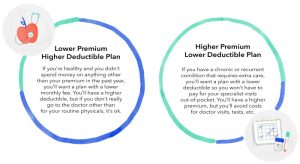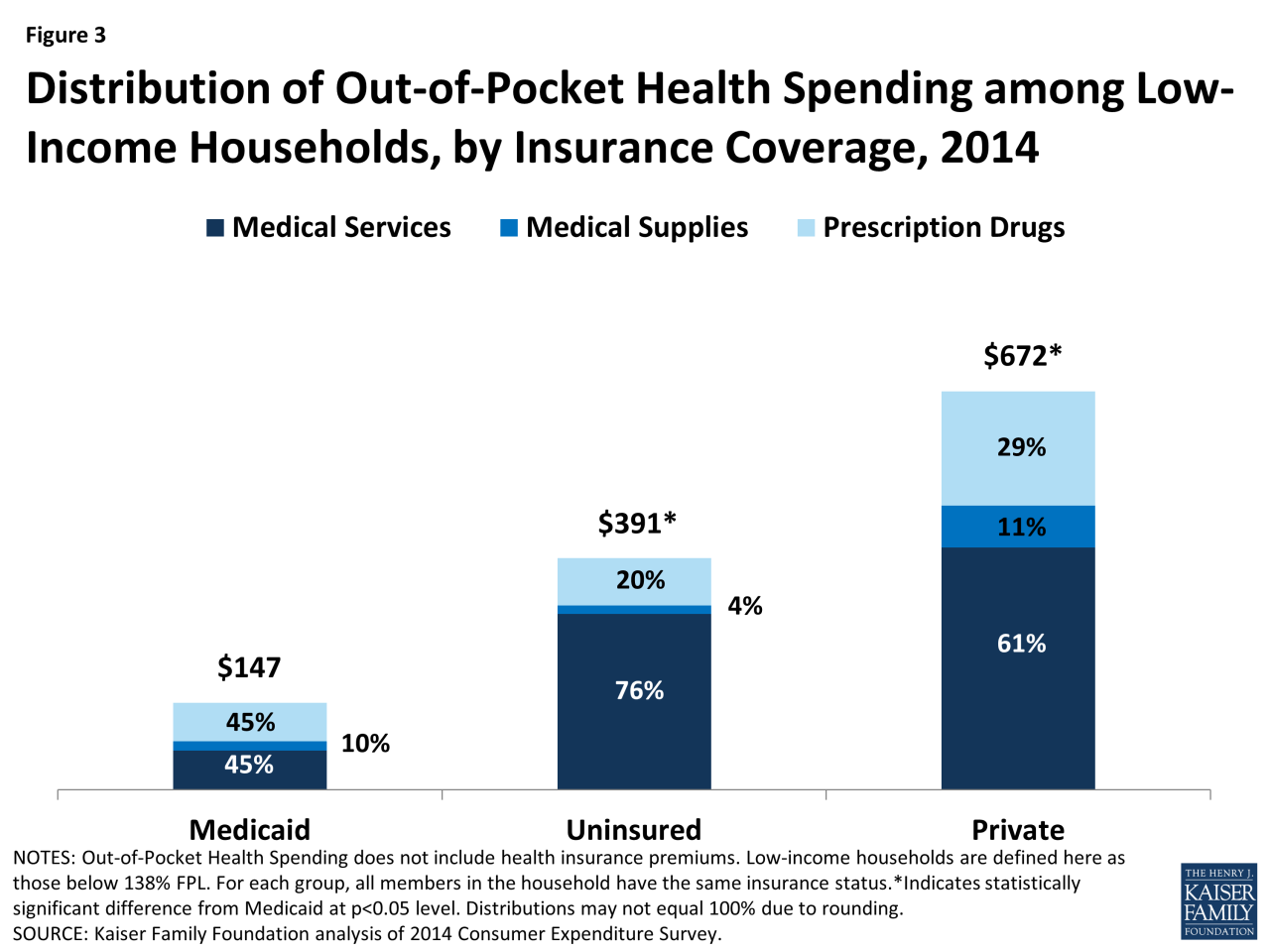
Exploring the realm of Health Insurance for Low-Income Families, this introduction delves into the challenges and importance of healthcare access, costs, providers, policies, records, screenings, and more.
Providing valuable insights and strategies to navigate the complex landscape of healthcare for low-income families, this comprehensive guide aims to shed light on crucial aspects often overlooked.
Healthcare Access
Accessing healthcare can be a significant challenge for low-income families due to financial constraints, lack of insurance coverage, limited availability of healthcare providers in their area, and transportation barriers. These obstacles often result in delayed or neglected medical care, leading to worsened health outcomes for families already facing economic hardships.The importance of healthcare access for overall well-being cannot be overstated.
Timely access to medical services can prevent minor health issues from escalating into serious conditions, improve management of chronic illnesses, and promote preventive care to maintain good health. Without proper access to healthcare, low-income families may experience exacerbated health issues, reduced quality of life, and increased healthcare costs in the long run.
Strategies to Improve Healthcare Access for Low-Income Families
- Expand Medicaid coverage: Increasing eligibility for Medicaid can help more low-income families gain access to essential healthcare services without the burden of high out-of-pocket costs.
- Enhance community health centers: Investing in community health centers can provide a convenient and affordable option for families to receive primary care, preventive services, and mental health support.
- Telehealth services: Implementing telehealth programs can bridge the gap in healthcare access by allowing families to consult with healthcare providers remotely, especially in rural or underserved areas.
- Educational initiatives: Promoting health literacy and awareness programs can empower low-income families to advocate for their healthcare needs, navigate the healthcare system, and make informed decisions about their health.
Healthcare Costs
Healthcare costs can pose a significant financial burden on low-income families, often forcing them to make difficult choices between paying for medical care and meeting other basic needs.
Cost-effective Healthcare Options for Low-Income Families
- Utilizing community health centers or clinics that offer discounted or sliding scale fees based on income.
- Exploring Medicaid or Children’s Health Insurance Program (CHIP) for eligible individuals and families to access low-cost or free healthcare coverage.
- Seeking out free preventive services such as vaccinations and screenings provided by government programs or non-profit organizations.
- Opting for generic medications instead of brand-name drugs to save on prescription costs.
Impact of High Healthcare Costs on Health Outcomes
The high healthcare costs can lead to delayed or forgone medical treatment, resulting in worsened health outcomes for low-income individuals. Without timely access to necessary care, chronic conditions may progress, leading to more severe complications and increased healthcare costs in the long run.
Healthcare Providers
Healthcare providers play a crucial role in delivering care to low-income families, ensuring access to essential medical services and treatments.
Quality of Care
When it comes to the quality of care received by low-income families, there can be variations based on the healthcare provider they visit. Some providers may offer more comprehensive services, while others may have limitations due to resource constraints.
- Quality healthcare providers for low-income families often prioritize preventive care, early intervention, and patient education to improve health outcomes.
- It is important for healthcare providers to have the necessary resources and expertise to address the specific needs of low-income populations, such as chronic disease management and mental health support.
- Providers who offer culturally competent care, understanding the unique backgrounds and beliefs of their patients, are more likely to establish trust and deliver effective treatments.
Culturally Competent Care
Delivering culturally competent care is essential for healthcare providers serving low-income populations, as it ensures that patients receive treatment that is respectful of their cultural norms and values.
Cultural competence includes understanding the social determinants of health that impact low-income families, such as access to healthy food, safe housing, and transportation options.
- Healthcare providers who are culturally competent can effectively communicate with patients from diverse backgrounds, leading to better treatment adherence and health outcomes.
- By acknowledging and respecting the cultural beliefs and practices of low-income families, healthcare providers can build stronger relationships and trust with their patients.
Health Insurance
Health insurance plays a crucial role in providing financial protection and access to healthcare services for low-income families.
Types of Health Insurance Programs
- Medicaid: A government program that provides health coverage for low-income individuals and families.
- Children’s Health Insurance Program (CHIP): Offers low-cost health coverage for children in families that earn too much to qualify for Medicaid but cannot afford private insurance.
- Marketplace Plans: Affordable health insurance options available through state or federal exchanges, with subsidies based on income level.
Challenges in Obtaining and Maintaining Coverage
Low-income families often face obstacles in securing and keeping health insurance, including:
- Lack of awareness about available programs and eligibility requirements.
- Financial barriers that make it difficult to afford premiums, co-pays, and deductibles.
- Complex application processes that can be overwhelming and time-consuming.
- Inconsistent coverage due to changes in income or employment status.
- Limited access to healthcare providers who accept insurance plans for low-income individuals.
Health Policies
Health policies play a crucial role in shaping the access to healthcare for low-income families. By analyzing existing policies, evaluating government initiatives, and discussing potential changes, we can better understand how to support the health needs of this vulnerable population.
Impact of Existing Policies
- Medicaid expansion: Policies that expand Medicaid eligibility have been instrumental in providing health coverage to low-income families who may not have access to employer-sponsored insurance.
- Community health centers: Policies that support funding for community health centers help increase access to primary care services for low-income individuals and families.
- Subsidies for insurance premiums: Government initiatives that provide subsidies for insurance premiums help make coverage more affordable for low-income families.
Effectiveness of Government Initiatives
- Improved health outcomes: Government initiatives such as the Affordable Care Act have led to improvements in health outcomes for low-income populations by increasing access to preventive services and reducing financial barriers to care.
- Reduction in disparities: Targeted programs aimed at reducing health disparities among low-income families have shown promising results in narrowing the gap in healthcare access and outcomes.
Potential Policy Changes
- Expansion of coverage: Implementing policies to further expand coverage options, such as a public option or universal healthcare, could help ensure that all low-income families have access to affordable and comprehensive care.
- Addressing social determinants of health: Policy changes that focus on addressing social determinants of health, such as housing instability and food insecurity, can help improve overall health outcomes for low-income families.
Health Records
Maintaining accurate health records is crucial for low-income families as it helps in tracking medical history, medications, treatments, and appointments. This information is essential for healthcare providers to deliver appropriate and timely care.
Importance of Health Records for Low-Income Families
- Accurate health records enable healthcare providers to make informed decisions and provide better care.
- Helps in avoiding duplicate tests or procedures, reducing healthcare costs for low-income families.
- Facilitates coordination between different healthcare providers, ensuring continuity of care.
Improving Healthcare Delivery through Access to Health Records
- Easy access to health records allows healthcare providers to have a comprehensive view of a patient’s health status.
- Enables quicker diagnosis and treatment, leading to improved health outcomes for low-income individuals.
- Promotes patient empowerment and involvement in their own healthcare decisions.
Challenges in Accessing and Managing Health Records for Low-Income Families
- Lack of awareness about the importance of health records among low-income families.
- Financial barriers in obtaining copies of health records or accessing electronic health record systems.
- Limited health literacy and digital literacy skills, making it challenging to navigate complex health record systems.
Health Screening
Regular health screenings are crucial for low-income families as they can help detect potential health issues early on, leading to timely intervention and prevention of more serious health conditions. Despite financial constraints, prioritizing health screenings can ultimately save money in the long run by preventing costly medical treatments.
Common Health Screening Tests
- Blood Pressure Measurement: High blood pressure can lead to heart disease, stroke, and other serious conditions. Regular monitoring is essential.
- Blood Sugar Test: Screening for diabetes is important as early detection can help manage the condition effectively.
- Cholesterol Test: High cholesterol levels can increase the risk of heart disease. Regular screenings can help prevent complications.
- Colorectal Cancer Screening: Detecting colon cancer early through screenings can significantly improve treatment outcomes.
Barriers to Timely Health Screenings
- Financial Constraints: Cost of screenings and lack of insurance coverage can deter low-income families from getting screened regularly.
- Lack of Access to Healthcare Facilities: Limited transportation options and long waiting times at clinics can make it difficult for families to schedule screenings.
- Lack of Awareness: Some families may not fully understand the importance of health screenings or may not know where to go for these services.
- Cultural and Language Barriers: Limited availability of healthcare providers who speak the same language or understand cultural practices can prevent families from seeking screenings.
In conclusion, navigating the intricacies of health insurance for low-income families requires a multi-faceted approach that addresses access, costs, providers, policies, records, and screenings. By understanding the challenges and exploring potential solutions, we can work towards ensuring better healthcare outcomes for all individuals, regardless of their financial status.
FAQ
What are some cost-effective healthcare options for low-income families?
Some cost-effective healthcare options include community health centers, Medicaid, and subsidized insurance plans offered through the Affordable Care Act.
How important is culturally competent care for low-income populations?
Culturally competent care is crucial for low-income populations as it ensures that healthcare providers understand and respect the cultural backgrounds and beliefs of patients, leading to better health outcomes.
What types of health insurance programs are available for low-income individuals?
Low-income individuals may have access to programs such as Medicaid, Children’s Health Insurance Program (CHIP), and subsidized plans through the Health Insurance Marketplace.
Why is maintaining accurate health records important for low-income families?
Maintaining accurate health records helps in ensuring continuity of care, tracking health conditions, and facilitating better coordination among healthcare providers for low-income families.
What are some common health screening tests that low-income families should undergo?
Common health screening tests include blood pressure checks, cholesterol screenings, mammograms, pap smears, and blood glucose tests, which are essential for preventive care and early detection of health issues.