Delve into the realm of Best Health Insurance Plans 2024, where the landscape of healthcare coverage is explored in depth, shedding light on vital aspects impacting individuals and communities.
From the significance of accessible healthcare services to the financial burden of rising costs, this comprehensive guide navigates through the complexities of health insurance and its implications on overall well-being.
Healthcare Access
Easy access to healthcare services is crucial for individuals and communities to maintain and improve their health. It ensures that people can receive timely medical attention, preventive care, and treatment when needed.
The Impact of Limited Access to Healthcare
- Individuals facing limited access to healthcare may delay seeking medical help, leading to worsened health conditions and higher healthcare costs in the long run.
- Communities with inadequate access to healthcare services may experience higher rates of preventable diseases, increased hospitalizations, and decreased overall well-being.
Improving Healthcare Access for Better Health Outcomes
- Enhancing healthcare access through initiatives such as telemedicine, mobile clinics, and community health centers can help individuals receive care more conveniently and affordably.
- Increasing healthcare access can lead to early detection of health issues, better management of chronic conditions, and improved overall health outcomes for individuals and communities.
Healthcare Costs
Healthcare costs continue to rise, impacting individuals, families, and the healthcare system as a whole. Various factors contribute to this upward trend, making it crucial to understand the implications and challenges associated with healthcare expenses.
Factors Contributing to Rising Healthcare Costs
- The advancement of medical technology leading to expensive treatments and procedures.
- An aging population requiring more healthcare services and long-term care.
- Administrative costs associated with billing, insurance, and compliance requirements.
- Prescription drug prices and pharmaceutical company practices.
Preventive Care vs. Emergency Care
Preventive care, such as regular check-ups, screenings, and vaccinations, can help detect and address health issues early, reducing the need for costly emergency interventions. In contrast, emergency care, often sought in critical situations, can result in higher medical bills due to the urgency and complexity of treatment.
Financial Burden of Healthcare Costs
- High deductibles, copayments, and out-of-pocket expenses can strain individuals and families financially.
- Lack of insurance coverage or underinsurance may lead to delayed or inadequate care, impacting health outcomes.
- Medical debt can accumulate, leading to financial instability and bankruptcy for some individuals.
Healthcare Providers
In the healthcare system, healthcare providers play a crucial role in delivering quality care to patients. They are responsible for diagnosing illnesses, prescribing treatments, and providing necessary medical interventions to improve patient outcomes.
The Importance of a Diverse Healthcare Workforce
A diverse healthcare workforce is essential for ensuring that patients from all backgrounds receive culturally competent care. When healthcare providers come from various ethnicities, races, and cultural backgrounds, they can better understand and address the unique needs of a diverse patient population. This leads to improved communication, trust, and overall patient satisfaction.
Collaboration Among Healthcare Providers for Enhanced Patient Outcomes
Collaboration among healthcare providers, such as doctors, nurses, pharmacists, and specialists, is vital for achieving the best possible outcomes for patients. By working together, healthcare professionals can exchange valuable insights, coordinate care plans, and ensure a holistic approach to patient treatment. This teamwork can lead to reduced medical errors, improved patient safety, and better overall health outcomes.
Health Insurance
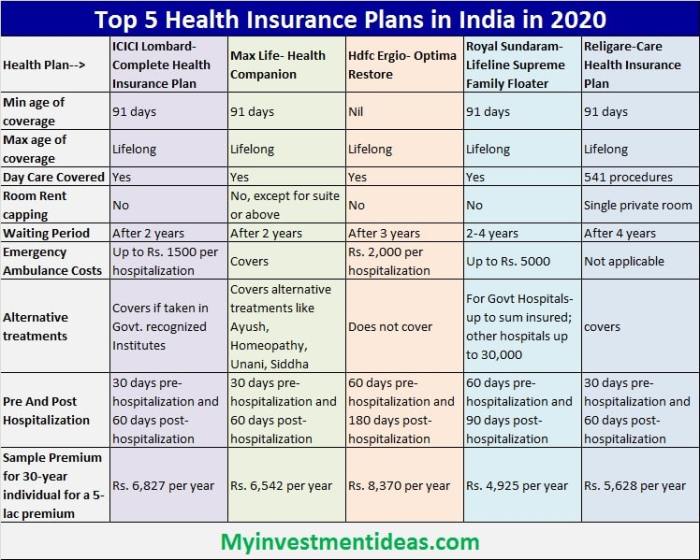
Having health insurance coverage is crucial for protecting individuals and families from high medical costs and ensuring access to necessary healthcare services. It provides financial security and peace of mind, allowing individuals to seek timely medical care without worrying about the expenses.
Types of Health Insurance Plans in 2024
- Health Maintenance Organization (HMO): Requires individuals to choose a primary care physician and obtain referrals for specialist care.
- Preferred Provider Organization (PPO): Offers a network of healthcare providers for discounted rates, allowing more flexibility in choosing providers.
- Exclusive Provider Organization (EPO): Similar to PPO but does not cover out-of-network care except in emergencies.
- High-Deductible Health Plan (HDHP): Requires higher out-of-pocket costs but offers lower monthly premiums.
- Point of Service (POS): Combines features of HMO and PPO plans, providing coverage for in-network and out-of-network care.
Impact of Health Insurance on Healthcare Utilization and Outcomes
Health insurance plays a significant role in healthcare utilization and outcomes by ensuring individuals have access to preventive care, screenings, and treatments. With insurance coverage, people are more likely to seek medical attention when needed, leading to earlier diagnosis and better management of health conditions. This, in turn, can result in improved health outcomes, reduced healthcare costs in the long run, and overall better quality of life for individuals and communities.
Health Policies
Health policies play a crucial role in shaping the healthcare landscape, influencing access to quality services, costs, and the overall effectiveness of the system. Understanding the current policies in place and potential changes is essential for improving healthcare outcomes for all individuals.
Current Health Policies
- One of the current health policies impacting healthcare is the Affordable Care Act (ACA), which has expanded insurance coverage for millions of Americans.
- Medicaid and Medicare are government health insurance programs that provide coverage for low-income individuals and seniors, respectively.
- Health policies also address issues such as mental health parity, preventive care coverage, and regulations on insurance companies.
Potential Policy Changes
- Policy changes that could improve access to quality healthcare include expanding Medicaid coverage in all states to reach more low-income individuals.
- Implementing price transparency regulations to help consumers make informed decisions about their healthcare costs.
- Enhancing telemedicine services to increase access to care, especially in rural or underserved areas.
Role of Government Regulations
- Government regulations play a critical role in shaping health policy decisions by establishing standards for healthcare delivery, insurance coverage, and patient rights.
- Regulations ensure that healthcare providers adhere to certain quality standards and protect patients from unethical practices.
- Government oversight also helps control healthcare costs and promote equity in access to healthcare services for all individuals.
Health Records
Maintaining accurate and up-to-date health records is crucial for ensuring quality healthcare delivery and effective treatment. These records provide valuable information about a patient’s medical history, medications, allergies, lab results, and other important details that help healthcare providers make informed decisions about their care.
The Benefits of Electronic Health Records
Electronic health records (EHRs) offer numerous advantages in healthcare delivery. They allow for quick access to patient information, streamline communication between healthcare providers, reduce medical errors, and improve coordination of care. EHRs also support data sharing among different healthcare facilities, which can be especially beneficial in emergencies or when patients see multiple providers.
- Enhanced patient care: EHRs provide a comprehensive view of a patient’s health history, enabling healthcare providers to make more accurate diagnoses and treatment plans.
- Efficiency and cost-effectiveness: Electronic records eliminate the need for paper-based filing systems, reducing administrative costs and improving workflow efficiency.
- Improved patient engagement: Patients can access their health records online, empowering them to take an active role in managing their health and making informed decisions about their care.
Challenges in Protecting Patient Health Information
While electronic health records offer many benefits, they also present challenges in protecting patient privacy and data security. Healthcare organizations must comply with strict regulations, such as the Health Insurance Portability and Accountability Act (HIPAA), to safeguard patient information from unauthorized access or breaches.
- Data security risks: EHR systems are vulnerable to cyberattacks and data breaches, which can compromise patient confidentiality and lead to identity theft.
- Interoperability issues: Ensuring seamless data exchange between different EHR systems and healthcare providers can be complex and may hinder the efficient sharing of patient information.
- Training and implementation costs: Healthcare organizations need to invest in staff training and infrastructure to effectively implement and maintain EHR systems, which can be costly and time-consuming.
Health Screening
Regular health screenings play a crucial role in preventive care by detecting potential health issues before they become serious problems. By identifying risk factors early on, individuals can take proactive steps to maintain their health and well-being.
Role of Early Detection
Early detection through health screenings can significantly improve treatment outcomes for various conditions such as cancer, heart disease, and diabetes. When diseases are caught in their initial stages, treatment options are often more effective, leading to better prognosis and quality of life for patients.
- Regular screenings for conditions like breast cancer, cervical cancer, and colon cancer can help detect abnormalities early on, allowing for prompt intervention and treatment.
- Screenings for high blood pressure, cholesterol levels, and blood sugar levels can help identify risk factors for heart disease and diabetes, enabling individuals to make lifestyle changes or seek medical treatment as needed.
- Early detection of conditions such as osteoporosis, vision problems, and hearing loss through screenings can help prevent complications and improve overall health outcomes.
Advances in Technology
Advances in technology have revolutionized health screenings by enhancing their accuracy, efficiency, and accessibility. Techniques such as genetic testing, imaging scans, and biomarker analysis have made it possible to detect diseases at earlier stages, allowing for timely interventions and personalized treatment plans.
Technological innovations have led to the development of minimally invasive screening procedures, reducing discomfort and improving patient compliance.
- Telemedicine and remote monitoring tools have made health screenings more convenient and accessible, particularly for individuals in rural or underserved areas.
- Artificial intelligence and machine learning algorithms are being used to analyze screening results quickly and accurately, improving diagnostic accuracy and reducing human error.
- Mobile health apps and wearable devices enable individuals to track their health metrics and receive real-time feedback, empowering them to take control of their health through regular screenings and monitoring.
As we conclude this discussion on Best Health Insurance Plans 2024, it becomes evident that comprehensive coverage is not merely a luxury but a necessity for ensuring a healthier future for all. By understanding the nuances of healthcare access, costs, providers, and policies, individuals can make informed decisions to safeguard their well-being.
User Queries
What are the key factors contributing to rising healthcare costs?
Rising healthcare costs are primarily influenced by factors such as technological advancements, an aging population, and increased demand for services.
How does health insurance impact healthcare utilization?
Health insurance plays a crucial role in healthcare utilization by providing individuals with financial coverage for medical services, thereby promoting regular access to care.
Why is it important to maintain accurate health records?
Maintaining accurate health records is essential for healthcare providers to deliver quality care, track patient history, and ensure seamless communication among healthcare professionals.