
Government Health Policies in the U.S. sets the stage for this enthralling narrative, offering readers a glimpse into a story that is rich in detail and brimming with originality from the outset. From the role of government in policy-making to the impact on healthcare access and quality, this topic delves deep into the intricacies of the U.S. healthcare system.
As we navigate through the nuances of healthcare access, costs, providers, insurance, health records, and screening, it becomes evident how government policies shape the landscape of healthcare in the country.
Government Health Policies in the U.S.
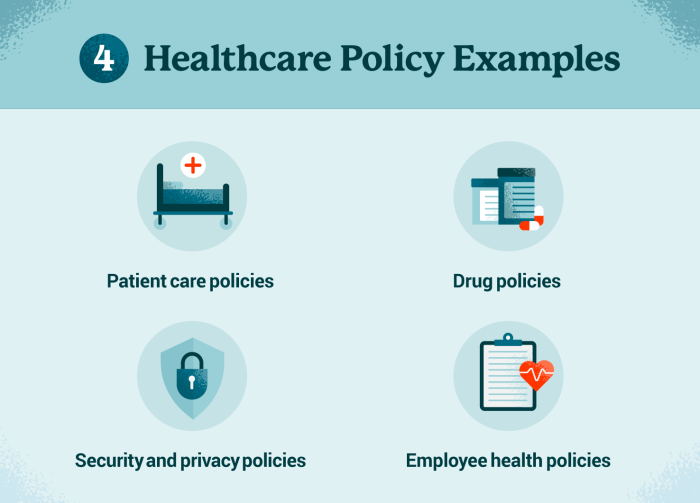
The role of the government in shaping health policies is crucial to ensure the well-being of the population. Government health policies determine the regulations, programs, and initiatives that impact healthcare access, affordability, and quality for individuals across the country.
Key Government Health Policies in the U.S.
- The Affordable Care Act (ACA): Also known as Obamacare, this policy aimed to increase access to health insurance, regulate insurance companies, and expand Medicaid coverage for low-income individuals.
- Medicare and Medicaid: These government programs provide health coverage for specific groups, such as seniors and low-income individuals, ensuring they have access to essential healthcare services.
- Children’s Health Insurance Program (CHIP): CHIP offers low-cost health coverage to children in families that earn too much to qualify for Medicaid but cannot afford private insurance.
Impact of Government Health Policies on Healthcare Access and Quality
Government health policies have had a significant impact on healthcare access and quality in the U.S. For example, the ACA increased the number of insured individuals and reduced the uninsured rate. Medicaid and CHIP have also played a vital role in ensuring vulnerable populations have access to necessary healthcare services. However, there are ongoing debates and challenges surrounding these policies, such as affordability, coverage gaps, and sustainability, which continue to shape the healthcare landscape in the country.
Healthcare Access
Access to healthcare in the U.S. is a complex issue influenced by various factors, including government health policies, insurance coverage, socioeconomic status, geographic location, and more. The current state of healthcare access in the U.S. is characterized by disparities in access to care, with millions of Americans facing barriers to obtaining necessary medical services.
Government Health Policies Impact
Government health policies play a significant role in shaping access to healthcare services in the U.S. Policies such as the Affordable Care Act (ACA) have expanded insurance coverage options for millions of Americans, thereby improving access to primary care, preventive services, and essential treatments. However, the implementation and enforcement of these policies can vary across states, leading to disparities in access based on geographical location and state regulations.
Rural vs. Urban Disparities
Access to healthcare in rural areas is often more limited compared to urban areas due to various factors, including a shortage of healthcare providers, limited healthcare facilities, and challenges in transportation. Government health policies aim to address these disparities through initiatives such as telehealth programs, funding for rural health clinics, and provider incentive programs. Despite these efforts, rural residents still face challenges in accessing specialized care and may need to travel long distances to reach healthcare facilities.
Healthcare Costs
In the United States, healthcare costs are influenced by a variety of factors, including but not limited to the following:
Factors Contributing to Healthcare Costs
- The high cost of prescription drugs, medical equipment, and technology
- Administrative costs associated with billing, insurance processing, and regulatory compliance
- Provider fees and compensation for healthcare services
- Rising costs of chronic disease management and specialized treatments
Government Health Policies and Affordability
Government health policies play a crucial role in shaping the affordability of healthcare for individuals and families. These policies can impact costs through mechanisms such as:
- Subsidies and financial assistance programs to help individuals afford insurance coverage
- Regulation of insurance premiums and coverage requirements
- Medicare and Medicaid programs providing coverage for vulnerable populations
- Implementation of cost-containment measures to control healthcare spending
Strategies for Reducing Healthcare Costs
Efforts to reduce healthcare costs can be achieved through various policy interventions, including:
- Increasing price transparency to empower consumers to make informed choices
- Promoting value-based care that emphasizes quality outcomes over quantity of services
- Investing in preventive care and public health initiatives to reduce the burden of chronic diseases
- Encouraging competition among healthcare providers to drive down prices
Healthcare Providers
Healthcare providers in the U.S. play a crucial role in delivering medical services to the population. They encompass a wide range of professionals, each with specific roles and responsibilities. Let’s explore the different types of healthcare providers in the U.S. and the challenges they face under current policies.
Types of Healthcare Providers
- Physicians: Medical doctors who diagnose and treat illnesses.
- Nurses: Registered nurses, nurse practitioners, and other nursing professionals who provide patient care.
- Pharmacists: Dispense medications and provide information on drug usage.
- Therapists: Physical therapists, occupational therapists, and mental health therapists who help patients recover from injuries or manage mental health conditions.
- Hospitals and Clinics: Facilities where healthcare services are provided, ranging from primary care clinics to specialized hospitals.
Government Regulations in Licensing Healthcare Providers
Government regulations play a crucial role in licensing healthcare providers to ensure they meet certain standards of education, training, and competence. Licensing requirements vary by state but generally involve completing accredited programs, passing exams, and maintaining continuing education. These regulations aim to protect the public from unqualified practitioners and maintain quality healthcare standards.
Challenges Faced by Healthcare Providers under Current Policies
- Regulatory Burden: Healthcare providers often face complex and time-consuming regulations that can hinder their ability to focus on patient care.
- Reimbursement Issues: Low reimbursement rates from government programs like Medicare and Medicaid can impact the financial stability of healthcare providers.
- Workforce Shortages: Shortages of healthcare professionals in certain specialties or regions can strain existing providers and limit access to care for patients.
- Technology Integration: Adapting to new technologies and electronic health records can be challenging for healthcare providers, requiring training and resources.
Health Insurance
Government health policies play a crucial role in shaping health insurance coverage in the United States. These policies impact the availability, affordability, and accessibility of health insurance for individuals and families across the country.
Impact of Government Health Policies on Health Insurance Coverage
Government health policies have a direct impact on health insurance coverage by regulating the insurance market, setting standards for coverage, and providing subsidies to make insurance more affordable for low-income individuals. The implementation of the Affordable Care Act (ACA) in 2010, for example, expanded access to health insurance by requiring individuals to have coverage, establishing health insurance marketplaces, and expanding Medicaid eligibility in many states.
Private Health Insurance vs. Government-Funded Programs
Private health insurance is typically obtained through an employer or purchased individually, while government-funded programs like Medicaid and Medicare provide coverage to specific populations, such as low-income individuals, seniors, and people with disabilities. Private health insurance offers more flexibility in terms of coverage options and providers, but government-funded programs ensure coverage for vulnerable populations who may not be able to afford private insurance.
Effectiveness of Current Health Insurance Policies
The current health insurance policies in the U.S. have made significant strides in ensuring coverage for more citizens, but challenges remain. While the ACA has reduced the uninsured rate and provided coverage to millions of Americans, there are still gaps in coverage, particularly for those in states that have not expanded Medicaid. Efforts to improve affordability, increase competition in the insurance market, and expand access to care are ongoing to ensure all citizens have access to quality health insurance coverage.
Health Records
Electronic health records (EHRs) play a crucial role in modern healthcare by providing a digital platform for storing and managing patient health information. This shift from paper-based records to electronic systems has transformed the way healthcare providers deliver care and communicate with one another.
Government Regulations
Government regulations, such as the Health Insurance Portability and Accountability Act (HIPAA), are in place to ensure the privacy and security of health records. These regulations dictate how patient information can be shared, stored, and accessed to protect patient confidentiality and prevent unauthorized disclosure.
- Healthcare providers are required to implement safeguards to protect patient data from breaches or cyberattacks.
- Patient consent is necessary for sharing health information with other healthcare professionals or organizations.
- Penalties for violating HIPAA regulations can be severe, including fines and legal repercussions.
Benefits and Challenges
Digital health record-keeping offers numerous benefits, such as improved care coordination, faster access to patient information, and reduced medical errors. However, there are also challenges associated with EHRs under existing policies.
- Benefits:
- Enhanced patient care through comprehensive and up-to-date health information.
- Increased efficiency in healthcare delivery by streamlining processes and reducing paperwork.
- Improved communication among healthcare providers for better coordination of care.
- Challenges:
- Concerns about data security and privacy breaches, especially with the increasing use of digital records.
- Integration issues when different healthcare systems use incompatible EHR platforms, leading to data fragmentation.
- Provider burnout due to increased documentation requirements and time spent on EHRs.
Health Screening
Regular health screening plays a crucial role in preventive care by identifying potential health issues early on, allowing for timely intervention and treatment.
Government Initiatives for Health Screening
- The Affordable Care Act (ACA) requires insurance plans to cover certain preventive services, including screenings for conditions like high blood pressure, cholesterol, and various cancers, without cost-sharing for patients.
- The Centers for Disease Control and Prevention (CDC) provides funding and support for state and local health departments to implement screening programs for diseases such as diabetes, HIV, and tuberculosis.
- The Health Resources and Services Administration (HRSA) allocates grants to community health centers to offer affordable screening services to underserved populations.
Impact of Health Policies on Accessibility and Affordability
Government health policies have significantly improved the accessibility and affordability of health screening services for many individuals. With the ACA’s preventive care provisions, more people can access screenings without financial barriers, leading to early detection of health issues. Moreover, initiatives like CDC-funded programs and HRSA grants help reach vulnerable populations who may otherwise face challenges in obtaining screenings due to cost or lack of resources.
In conclusion, Government Health Policies in the U.S. play a pivotal role in determining the health outcomes of millions of Americans. By understanding the complexities and implications of these policies, we can strive towards a more inclusive and effective healthcare system for all.
Commonly Asked Questions
How do government health policies impact healthcare access?
Government health policies influence access to healthcare services by shaping regulations, funding, and infrastructure that determine who can receive care and under what conditions.
What are the key differences between private health insurance and government-funded programs like Medicaid?
Private health insurance is typically purchased by individuals or provided by employers, while Medicaid is a government program that offers coverage to low-income individuals and families.
Why are electronic health records important in modern healthcare?
Electronic health records improve coordination of care, enhance patient safety, and provide health professionals with comprehensive patient information for better decision-making.
How do government initiatives promote health screening programs?
Government initiatives often involve funding, awareness campaigns, and partnerships with healthcare providers to encourage regular health screenings among the population.


