
Beginning with High Healthcare Costs and How to Cope, the narrative unfolds in a compelling and distinctive manner, drawing readers into a story that promises to be both engaging and uniquely memorable.
In today’s world, healthcare costs continue to rise, causing financial strain on individuals and families. This article explores the challenges posed by high healthcare expenses and offers practical solutions to cope with them effectively.
Healthcare Access
Accessing affordable healthcare poses numerous challenges for individuals, especially those from marginalized communities. Financial barriers, lack of health insurance, limited healthcare facilities, and inadequate healthcare providers all contribute to the difficulty in obtaining necessary medical care.Geographical location plays a significant role in healthcare access. Rural areas often have fewer healthcare facilities and providers, making it harder for residents to receive timely and quality care.
Limited transportation options can further exacerbate the issue, preventing individuals from reaching healthcare centers.
Strategies for Improving Healthcare Access for Marginalized Communities
- Expand Telehealth Services: Utilize technology to provide virtual consultations and medical services, overcoming geographical barriers.
- Enhance Community Health Programs: Establish community health centers and outreach programs to bring healthcare services closer to marginalized populations.
- Increase Healthcare Funding: Allocate resources to improve healthcare infrastructure in underserved areas, ensuring access to quality care for all.
- Promote Health Education: Educate individuals on preventive care and the importance of seeking timely medical attention to reduce the burden on healthcare systems.
Healthcare Costs
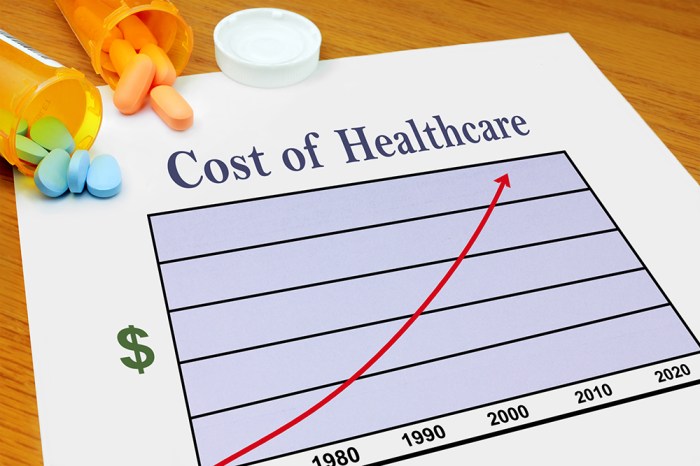
High healthcare costs are a significant concern for individuals and families around the world. There are several factors that contribute to these rising costs, including but not limited to:
Factors Contributing to High Healthcare Costs
- Increase in chronic diseases and conditions requiring long-term care
- Advancements in medical technology and treatments
- Administrative costs associated with insurance claims and billing
- Pharmaceutical companies setting high prices for medications
Impact of High Healthcare Costs
High healthcare costs can have profound effects on individuals and families, leading to financial strain, delayed or forgone medical treatment, and even bankruptcy. For example, many people may have to choose between paying for essential healthcare services or meeting other basic needs, such as housing or food.
Comparison of Healthcare Costs Across Countries
When comparing the cost of healthcare services in different countries, it becomes evident that there are significant disparities. For example, the United States is known for having some of the highest healthcare costs in the world, while countries with universal healthcare systems like Canada and the United Kingdom tend to have lower overall costs. The reasons behind these disparities can be attributed to various factors, including differences in healthcare regulations, insurance coverage, and healthcare delivery models.
Healthcare Providers
The role of healthcare providers in managing healthcare costs for patients is crucial. Healthcare providers, including doctors, nurses, and other medical professionals, play a significant role in determining the appropriate treatments, tests, and medications for patients. They are responsible for making decisions that directly impact the overall cost of healthcare services.A shortage of healthcare providers can have a detrimental effect on healthcare costs.
When there are not enough healthcare professionals to meet the needs of the population, patients may face longer wait times for appointments and treatments. This can lead to delayed care, which may result in more severe health conditions and increased costs in the long run.
Strategies for Increasing Efficiency
One strategy for increasing the efficiency of healthcare providers to reduce costs is through the use of technology. Electronic health records and telemedicine can streamline processes, improve communication between providers, and reduce administrative burdens. By embracing technology, healthcare providers can save time and resources, ultimately leading to cost savings for patients.Another strategy is to focus on preventive care and early intervention.
By identifying health issues early on and addressing them proactively, healthcare providers can help patients avoid costly treatments and hospitalizations down the line. Encouraging healthy lifestyle choices and regular screenings can also contribute to lowering overall healthcare costs.Furthermore, promoting collaboration and coordination among healthcare providers can improve the quality of care while reducing redundant tests and procedures. When providers work together as a team, they can ensure that patients receive comprehensive and efficient care, leading to better health outcomes and lower costs.Overall, healthcare providers play a vital role in managing healthcare costs for patients.
By implementing strategies to increase efficiency, focus on preventive care, and promote collaboration, healthcare providers can help reduce costs and improve the overall quality of care for patients.
Health Insurance
Health insurance plays a crucial role in coping with high healthcare costs. It provides financial protection by helping to cover medical expenses, including hospitalizations, surgeries, prescription medications, and preventive care.
Types of Health Insurance Plans
- Health Maintenance Organization (HMO): HMO plans require you to choose a primary care physician and get referrals to see specialists. They generally have lower out-of-pocket costs but limited provider networks.
- Preferred Provider Organization (PPO): PPO plans offer more flexibility in choosing healthcare providers, both in-network and out-of-network. They tend to have higher premiums and out-of-pocket costs.
- Exclusive Provider Organization (EPO): EPO plans only cover services from in-network providers, except in emergencies. They often have lower premiums compared to PPO plans.
- Point of Service (POS): POS plans combine features of HMO and PPO plans, allowing you to choose between in-network and out-of-network care. You need a primary care physician and referrals for specialists.
Tips for Choosing the Right Health Insurance Plan
- Consider your healthcare needs: Think about your medical history, prescription medications, and any ongoing treatments when selecting a plan.
- Compare coverage and costs: Look at premiums, deductibles, copayments, coinsurance, and out-of-pocket maximums to determine the total cost of the plan.
- Check provider networks: Make sure your preferred healthcare providers are in-network to avoid higher costs associated with out-of-network care.
- Review additional benefits: Some plans offer extras like telemedicine services, wellness programs, or coverage for alternative therapies, which can add value to your insurance.
- Understand policy limits: Pay attention to coverage limits, exclusions, and restrictions in the policy to avoid surprises when seeking medical care.
Health Policies
Healthcare policies play a crucial role in determining the cost of healthcare services. These policies set regulations, standards, and guidelines that healthcare providers must follow, impacting the overall cost of care.
Policy changes can have a significant impact on access to affordable healthcare. For example, changes in reimbursement rates for healthcare services can affect the affordability of care for patients. Additionally, policies related to health insurance coverage and government funding can influence the overall cost of healthcare for individuals and families.
Impact of Policy Changes on Access to Affordable Healthcare
- Changes in reimbursement rates for healthcare services can affect the affordability of care for patients.
- Policies related to health insurance coverage can impact access to affordable healthcare for individuals.
- Government funding and subsidies play a role in making healthcare more affordable for certain populations.
Advocacy for Healthcare Policy Reforms
- Advocating for healthcare policy reforms can help in coping with high healthcare costs by pushing for regulations that promote cost-effective care.
- Reforms that focus on increasing access to affordable healthcare can benefit individuals and families struggling with high medical expenses.
- Advocacy efforts can also help in promoting transparency in healthcare pricing and billing practices, making it easier for consumers to understand and manage their healthcare costs.
Health Records
Electronic health records play a crucial role in managing healthcare costs by improving efficiency, accuracy, and accessibility of patient information. With the use of technology, health records can be easily shared among healthcare providers, reducing duplicate tests and treatments, ultimately leading to cost savings.
Benefits of Maintaining Accurate Health Records
- Prevention of medical errors: Accurate health records help in avoiding mistakes in diagnosis and treatment, which can lead to unnecessary costs.
- Improved coordination of care: Healthcare providers can have a comprehensive view of a patient’s medical history, leading to better-coordinated care and reduced expenses.
- Efficient billing processes: Accurate health records ensure that insurance claims are processed smoothly, reducing billing errors and avoiding delays in reimbursement.
Technology Advancements in Health Records Management
- Integration of AI and machine learning: Advanced technologies can analyze health data to identify cost-effective treatment options and predict potential health risks, helping in proactive and preventive care.
- Mobile health applications: Patients can access their health records through mobile apps, enabling them to actively participate in their healthcare management and make informed decisions, leading to cost savings.
- Interoperability of systems: Seamless sharing of health records among different healthcare providers ensures continuity of care, reduces redundant tests, and avoids unnecessary expenses.
Health Screening
Regular health screenings play a crucial role in preventing high healthcare costs by detecting potential health issues early on. By identifying problems at an early stage, individuals can address them promptly, often avoiding more serious and costly treatments down the line.
Cost-Effectiveness of Preventive Screenings
Regular preventive screenings are generally more cost-effective than treating advanced stages of diseases. For example, catching cancer in its early stages through screenings can lead to less invasive and less costly treatment options compared to late-stage cancer treatment. Investing in preventive screenings can ultimately save individuals money in the long run.
- Preventive screenings can help detect conditions like high blood pressure, high cholesterol, diabetes, and certain cancers early on.
- Early detection often leads to more successful treatment outcomes and lower healthcare costs.
- Many health insurance plans cover preventive screenings at little to no cost to the individual.
In conclusion, managing high healthcare costs requires a combination of informed decision-making, proactive healthcare practices, and a solid understanding of available resources. By implementing the strategies discussed, individuals can navigate the complex landscape of healthcare expenses with confidence and resilience.
FAQ Guide
How can I reduce my healthcare expenses without compromising on quality of care?
One way to cut costs is to explore generic medication options and inquire about discounts or payment plans from healthcare providers.
What are some long-term strategies for managing high healthcare costs?
Investing in preventive care, maintaining a healthy lifestyle, and staying informed about available community resources can help in the long run.


