
Healthcare Providers for Children sets the stage for this enthralling narrative, offering readers a glimpse into a story that is rich in detail with a focus on ensuring quality care for the little ones.
As we delve into the world of healthcare providers specialized in children’s healthcare, we uncover the crucial role they play in nurturing and safeguarding the well-being of our youngest generation.
Healthcare Access for Children
Ensuring healthcare access for children is crucial for their overall well-being and development. Access to timely and quality healthcare services can prevent illnesses, promote healthy growth, and address any medical issues early on.
Challenges Faced by Children in Accessing Healthcare
- Lack of insurance coverage leading to financial barriers for families
- Long wait times and limited availability of pediatric specialists
- Transportation issues for families living in remote areas
- Language barriers affecting communication with healthcare providers
Strategies to Improve Healthcare Access for Children
- Expand Medicaid and CHIP coverage to reach more low-income children
- Increase funding for community health centers and school-based health clinics
- Implement telehealth services to provide virtual consultations for families in rural areas
- Offer culturally competent care to address language and cultural barriers
Impact of Limited Healthcare Access on Children’s Well-being
Limited healthcare access can result in undiagnosed or untreated medical conditions, leading to long-term health complications for children. It can also cause delays in receiving necessary treatments and interventions, affecting their overall health outcomes and quality of life.
Healthcare Costs for Children
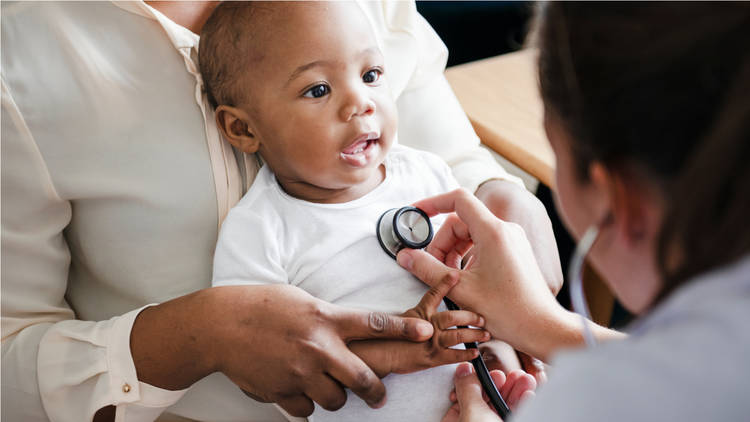
Healthcare costs for children can vary based on several factors, influencing the financial burden on families. Factors such as the type of medical condition, required treatments, insurance coverage, and healthcare setting can all impact the overall cost.
Factors Influencing Healthcare Costs for Children
- Severity of the medical condition
- Frequency of medical visits
- Types of treatments needed
- Insurance coverage
Comparison of Healthcare Costs in Different Settings
Healthcare costs for children can differ significantly depending on the setting in which the services are provided. For example, emergency room visits may be more expensive than primary care visits, while specialized care in a hospital setting can also increase costs.
Financial Burden on Families
- Families with children requiring healthcare services may face financial challenges, especially if treatments are ongoing or require specialized care.
- High deductibles and out-of-pocket expenses can add to the financial burden.
- Lack of insurance coverage or inadequate coverage can result in substantial healthcare costs for families.
Tips for Managing Healthcare Costs for Children
- Ensure to understand your insurance coverage and benefits to maximize cost savings.
- Consider seeking care from primary care providers or clinics for routine visits to avoid higher costs at emergency rooms.
- Explore available financial assistance programs or payment plans offered by healthcare providers.
- Discuss cost-effective treatment options with healthcare providers to balance quality care with affordability.
Healthcare Providers for Children
Children require specialized healthcare providers to address their unique needs. These professionals play a crucial role in ensuring the health and well-being of children from infancy through adolescence.
Types of Healthcare Providers Specializing in Children’s Healthcare
- Pediatricians: These doctors specialize in the medical care of infants, children, and adolescents. They are trained to diagnose and treat a wide range of childhood illnesses and conditions.
- Pediatric Nurses: Nurses who specialize in pediatric care are essential members of the healthcare team. They provide direct care to children, administer medications, and educate families on managing their child’s health.
- Child Life Specialists: These professionals help children cope with the stress and uncertainty of being in a healthcare setting. They use play therapy and other techniques to support children during medical procedures.
- Pediatric Psychologists: These mental health professionals specialize in working with children and adolescents. They provide therapy and support for children dealing with emotional and behavioral challenges.
Role of Pediatricians, Nurses, and Other Healthcare Professionals
- Pediatricians are responsible for diagnosing and treating medical conditions, providing preventive care, and monitoring a child’s growth and development.
- Pediatric nurses play a crucial role in administering medications, providing wound care, and educating families on managing their child’s health at home.
- Other healthcare professionals, such as child life specialists and pediatric psychologists, provide essential support to help children cope with the challenges of illness and hospitalization.
Importance of Building Strong Relationships
Building a strong relationship between healthcare providers and children is essential for effective treatment. When children feel comfortable and trust their healthcare team, they are more likely to communicate openly about their symptoms and concerns.
Qualities of Exceptional Healthcare Providers for Children
- Compassion: A genuine care and concern for the well-being of children is essential for healthcare providers working with pediatric patients.
- Patience: Children may be fearful or uncooperative during medical procedures, requiring healthcare providers to exhibit patience and understanding.
- Communication skills: Healthcare providers must be able to communicate effectively with children at their developmental level, as well as with their families.
- Empathy: Understanding the emotions and experiences of children and their families is crucial for providing compassionate care.
Health Insurance for Children
Health insurance coverage is crucial for children as it ensures access to necessary medical care and protects families from high healthcare costs in case of illness or injury.
Health Insurance Options for Children
- Medicaid: A state and federally funded program that provides free or low-cost health coverage to eligible children and families with limited income.
- CHIP (Children’s Health Insurance Program): A program that offers low-cost health coverage to children in families that do not qualify for Medicaid but cannot afford private insurance.
- Employer-Sponsored Insurance: Health insurance plans offered by employers to their employees, which often include coverage for dependents, including children.
Public vs. Private Health Insurance Coverage
Public health insurance programs like Medicaid and CHIP are typically more affordable or free for eligible children and families with lower incomes. Private health insurance plans offer more flexibility in choosing healthcare providers and may provide a wider range of services, but they can be more expensive.
Tips for Choosing the Right Health Insurance Plan
- Consider your family’s healthcare needs and budget when selecting a plan.
- Compare coverage options, including deductibles, copayments, and premiums, to find the best fit for your child.
- Check if your child’s current healthcare providers are included in the plan’s network to ensure continuity of care.
- Review the plan’s benefits, such as preventive care services, prescription drug coverage, and mental health services, to meet your child’s specific healthcare needs.
Health Policies Impacting Children’s Healthcare
Government policies play a crucial role in shaping the landscape of healthcare services available to children. By analyzing the current health policies affecting children’s access to healthcare, we can better understand the impact of these regulations on the well-being of our youngest population.
Role of Government Policies in Improving Healthcare Outcomes for Children
Government policies aimed at improving healthcare outcomes for children often focus on increasing access to essential services such as preventive care, immunizations, and mental health support. By ensuring that children have access to these vital services, policymakers can help promote overall well-being and reduce the burden of illness on families and communities.
- Implementing programs to provide free or low-cost healthcare services for children from low-income families.
- Enforcing regulations that require insurance companies to cover essential pediatric services, such as well-child visits and vaccinations.
- Investing in public health initiatives that target childhood obesity, mental health disorders, and other prevalent issues affecting children’s health.
Implications of Policy Changes on Children’s Healthcare Services
Policy changes in the healthcare sector can have far-reaching implications for children’s access to essential services. It is crucial to carefully evaluate the potential impact of these changes to ensure that children continue to receive the care they need to thrive and grow.
- Changes in Medicaid eligibility criteria can impact the number of children who qualify for coverage, affecting their ability to access necessary healthcare services.
- Revisions to insurance regulations may result in changes to the scope of pediatric services covered, potentially limiting the care available to children.
- Increased funding for pediatric research and healthcare infrastructure can lead to improved outcomes for children facing complex health challenges.
Successful Health Policies Positively Impacting Children’s Health
Several examples of successful health policies have positively impacted children’s health outcomes, demonstrating the effectiveness of targeted interventions and support for pediatric healthcare.
- The Children’s Health Insurance Program (CHIP) provides coverage for millions of children from low-income families, ensuring access to essential healthcare services.
- School-based vaccination programs have helped reduce the incidence of preventable diseases among children, contributing to improved overall health outcomes.
- Legislation mandating mental health parity in insurance coverage has increased access to mental health services for children, addressing a critical need in pediatric care.
Health Records Management for Children
Maintaining accurate health records for children is crucial for providing quality healthcare. These records contain essential information about a child’s medical history, allergies, medications, immunizations, and past treatments, enabling healthcare providers to make informed decisions and deliver appropriate care.
Challenges and Benefits of Electronic Health Records for Children
Electronic health records (EHRs) offer numerous benefits for managing children’s health records, such as improved accessibility, efficiency, and coordination of care. However, challenges like data security, privacy concerns, and training staff to use EHR systems effectively must be addressed to maximize these benefits.
Best Practices for Securing and Managing Health Records of Children
- Implement strict access controls to ensure only authorized personnel can view and update health records.
- Regularly conduct security assessments and audits to identify vulnerabilities and address them promptly.
- Encrypt sensitive data to protect it from unauthorized access or cyber threats.
- Train staff on proper data handling procedures and the importance of maintaining confidentiality.
Role of Health Records in Ensuring Continuity of Care for Children
Health records play a vital role in ensuring continuity of care for children by providing a comprehensive overview of their medical history, treatments, and ongoing healthcare needs. This information enables healthcare providers to deliver personalized care, track progress, and make informed decisions to support children’s health and well-being.
Health Screening for Children
Regular health screenings play a crucial role in monitoring a child’s overall well-being and detecting any potential health issues early on. These screenings are essential for ensuring children grow and develop optimally, as well as for preventing and managing any health concerns that may arise.
Recommended Health Screening Tests
- Physical Exams: Regular physical exams help assess a child’s growth, development, and overall health status.
- Vision and Hearing Tests: These tests help identify any issues related to a child’s vision or hearing that may impact their learning and development.
- Dental Check-ups: Regular dental check-ups are important for maintaining good oral health and preventing dental problems.
- Blood Pressure Checks: Monitoring blood pressure helps in detecting any early signs of hypertension or other cardiovascular issues.
- Cholesterol Screening: Assessing cholesterol levels is crucial for identifying any risks of heart disease and other related conditions.
Benefits of Health Screenings
Health screenings can aid in the early detection and prevention of various health issues in children. By identifying potential concerns early, healthcare providers can intervene promptly and provide appropriate treatment or management strategies. Early detection can lead to better health outcomes and improved quality of life for children.
Tips for Parents
- Communicate with your child: Explain the purpose of the health screening in a simple and reassuring manner.
- Prepare your child: Let them know what to expect during the screening process to reduce anxiety.
- Stay calm and supportive: Your attitude can greatly influence your child’s experience during the health screening.
- Follow healthcare provider recommendations: Ensure your child receives all recommended screenings at the appropriate ages.
- Ask questions: Don’t hesitate to ask healthcare providers any questions or express any concerns you may have.
In conclusion, Healthcare Providers for Children highlights the importance of building strong relationships between providers and children for effective treatment, ultimately ensuring a brighter and healthier future for our young ones.
Frequently Asked Questions
How can parents help foster a good relationship between their child and healthcare provider?
Parents can encourage open communication, trust-building, and addressing any concerns or fears their child may have about medical visits.
What qualities make a healthcare provider exceptional in caring for children?
Empathy, patience, excellent communication skills, and a child-friendly approach are key qualities that make a healthcare provider exceptional in caring for children.


